From expansive downtown festivals to soccer-fueled community hubs, a rapidly growing demographic is transforming what it means to be Canadian in 2026
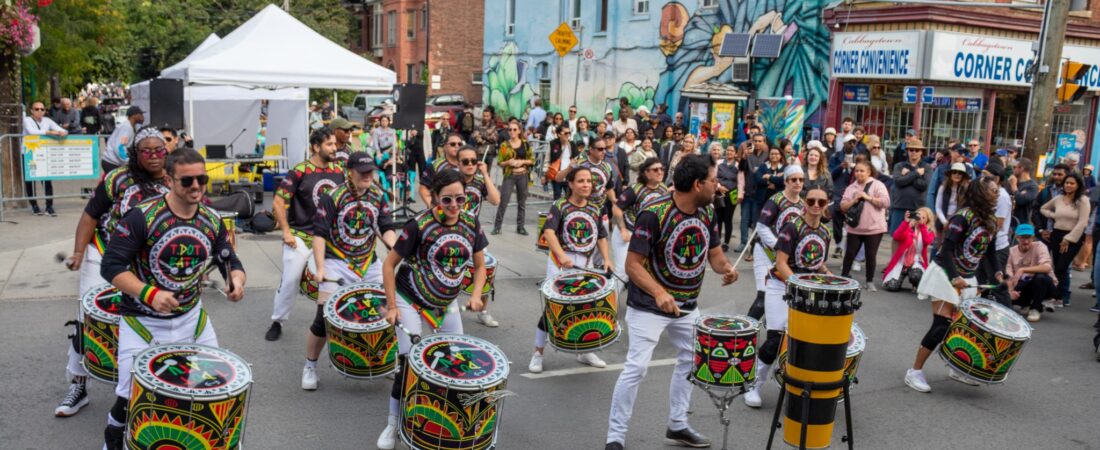
TORONTO, When the Canadian Latin Fest took over the concrete expanse of Nathan Phillips Square, it was not merely a seasonal street party. It was a civic declaration of presence. Operating under the stewardship of Canadian Latin House Inc., the 2026 gathering drew crowds to the very heart of Toronto’s municipal government. Featuring a “Sports meet Folklore Parade,” performances highlighting nations from Mexico to Bolivia, and an address from Mayor Olivia Chow, the festival celebrated a culture that is rapidly redefining the nation’s urban landscapes.
For decades, the narrative of Latin American immigrants in Canada was one of quiet assimilation, a steady integration into the country’s vaunted multicultural mosaic. But by the summer of 2026, that presence has grown louder, more organized, and undeniably central to the country’s cultural engine.
This evolution is distinctly visible in the work of the Hispanic Canadian Heritage Council (HCHC). In late June, the council hosted the Soccer International Cup Latin Fair at Artscape Wychwood Barns. The inaugural day, billed as the “Latin Social Fan Fiesta,” saw the venue draped in flags from across the Americas. It wasn’t just a celebration of heritage; it was a strategic exercise in community building. By blending a sprawling exhibition of Hispanic photographers with urban music, traditional folk dance, and a highly anticipated DJ competition, the event forged a cohesive, bicultural identity that demands structural representation.
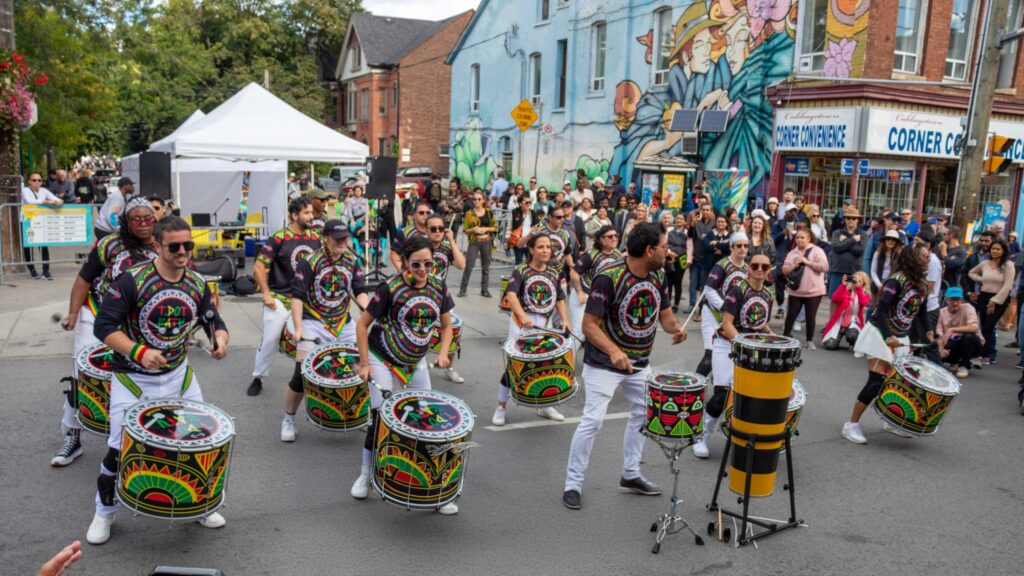
The timing of this cultural renaissance is far from coincidental. Soccer, a universal language across Latin America, has become a powerful catalyst for cultural visibility and integration in Canada. The Wychwood Barns event deliberately mirrored the festive, communal energy of a global soccer tournament, uniting diverse communities over everything from Mexican tacos to Chilean completos. What was once relegated to niche community halls is now commanding top billing on the country’s most prominent civic stages.
Behind this cultural shift is a stark demographic reality. The Latin American population in Canada has grown exponentially over the last two decades, fueled by a steady influx of new immigrants seeking economic stability and a burgeoning, highly educated second generation. This younger cohort is bilingual, deeply connected to their ancestral roots, and seamlessly integrated into the Canadian economy.
They are stepping into roles as tech leaders, entrepreneurs, and artists, pushing the culture beyond familiar tropes. Platforms like the HCHC’s blog, Hispanic Canadian Voices, are actively documenting this transition. Recent essays have provided space for nuanced discussions on bicultural life, adapting to harsh winters, and the complexities of living between two worlds, proving that the community is actively shaping its narrative rather than letting others define it.
For prospective immigrants looking toward the Great White North, the message in 2026 is clear: the groundwork has been laid. Canada is no longer just a destination for economic opportunity; it is a landscape where bicultural life is increasingly normalized and structurally supported. The presence of robust networks, ranging from professional tech associations to vibrant cultural hubs like Casa Cultural Peruana, means that new arrivals are greeted with a “soft landing” that previous generations had to build entirely from scratch.
As Canada continues to rely on immigration to sustain its future, the Latin American community is demonstrating what the next chapter of the multicultural experiment looks like. They are not simply occupying space within the Canadian mosaic; they are providing it with a new, unmistakable rhythm. That rhythm shows up in specific scenes too: in the milongas where Toronto’s Argentine tango community gathers weekly, and in the carimbó brought north by groups like Suraras do Tapajós, whose 2024 Rock in Rio appearance put an Amazonian tradition on one of the world’s biggest stages.
Frequently asked questions
What is the Canadian Latin Fest?
It is an annual street festival at Nathan Phillips Square in downtown Toronto, run by Canadian Latin House Inc. The 2026 edition included a folklore parade, performances from artists representing countries across Latin America, and an appearance by Toronto mayor Olivia Chow.
What is the Hispanic Canadian Heritage Council?
The HCHC is a community organization that runs cultural programming, including the Soccer International Cup Latin Fair at Artscape Wychwood Barns, and publishes Hispanic Canadian Voices, a blog where community members write about bicultural life in Canada.
Why is soccer tied to Latin cultural visibility in Canada?
Soccer functions as a shared language across Latin American communities from different countries. Events built around it, like the Latin Social Fan Fiesta, draw a broader cross-section of the community than a single-nation cultural festival typically would, which is part of why organizers use it as a hub for wider cultural programming.
Is this growth concentrated in Toronto?
Toronto’s civic-scale events make the trend visible, but the underlying demographic shift, a growing, increasingly bilingual second generation moving into professional and creative roles, is described by the HCHC as a broader Canadian pattern, not a single-city phenomenon.
Where can newcomers find community support?
The article cites networks ranging from professional associations to cultural hubs such as Casa Cultural Peruana. Readers looking for the dance and music side of that community life can start with our Latin & Brazilian Dance in Canada guide.
Sources and method
The reporting on festival programming and organizational activity comes directly from Canadian Latin House Inc. and the Hispanic Canadian Heritage Council, credited below. The framing, the connections drawn between these events and the wider demographic trend, and the FAQ answers above are Raw POV’s own analysis, built on the sourced facts rather than on any additional data these organizations have not published.
- Canadian Latin House Inc.: Official 2026 programming data for the Canadian Latin Fest at Nathan Phillips Square, detailing performances, civic ceremonies, and municipal participation (canadianlatinfest.org).
- Hispanic Canadian Heritage Council (HCHC): Documentation of the “Soccer International Cup Latin Fair 2026” and the “Latin Social Fan Fiesta” held at Artscape Wychwood Barns on June 20, 2026 (hispanicheritage.ca).
- Hispanic Canadian Voices: The HCHC’s official blog platform, referenced for its documented discussions on the bicultural realities, identity, and winter adaptations of Latin Americans in Canada (hispanicheritage.ca/category/blog/).
📚 Part of our guide: Latin & Brazilian Dance in Canada